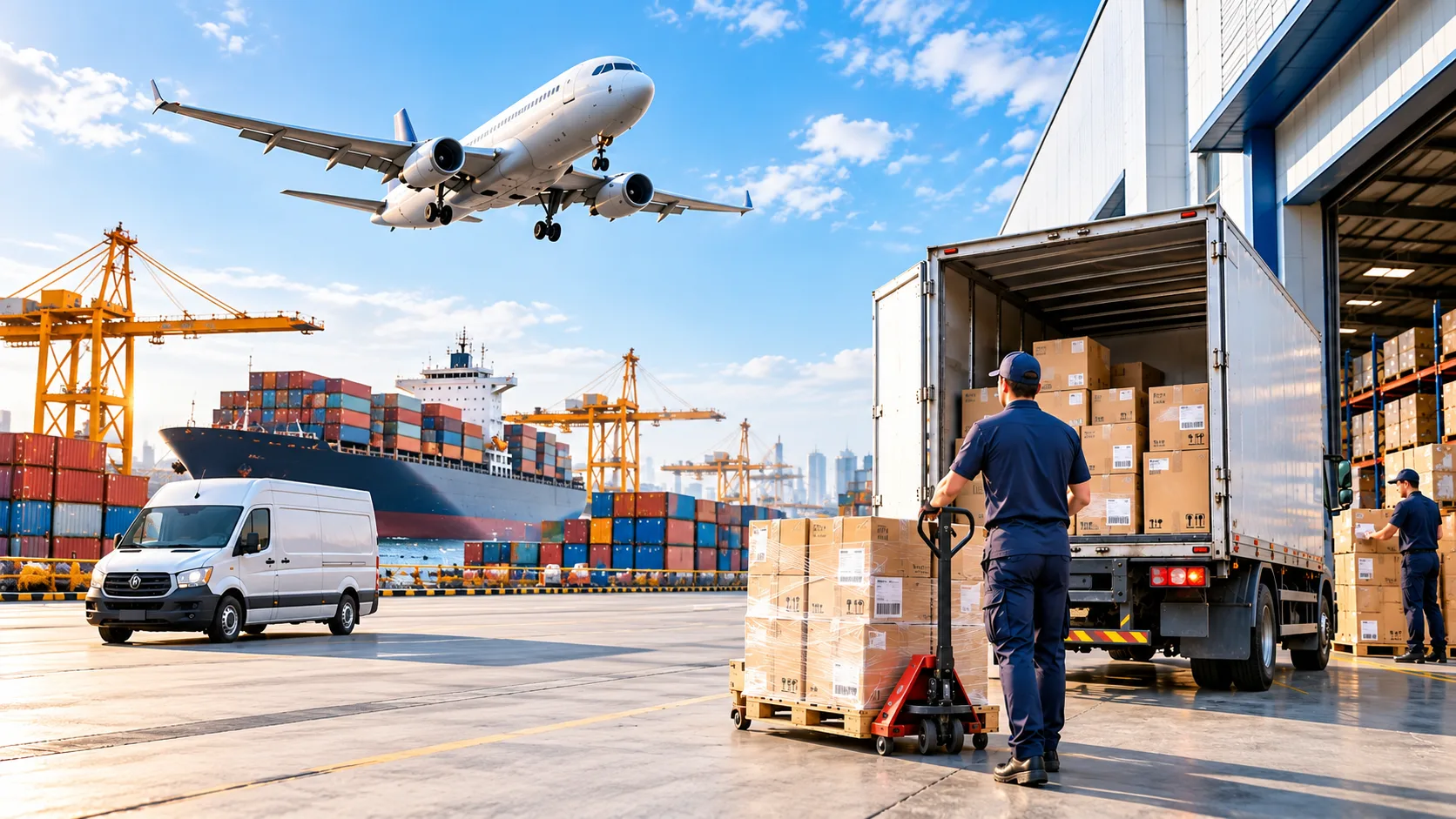
LOGISTICS
Intelligent Logistics Ecosystems
Engineering the future of connected, intelligent supply chains.
Logistics operates as a time-sensitive, interconnected enterprise ecosystem where fragmented data, transportation inefficiencies, inventory discrepancies, and limited operational visibility can directly impact delivery performance, cost structures, and supply chain resilience.
Toqse enables logistics enterprises to transition from disconnected operational processes into unified, intelligence-driven logistics infrastructures—connecting transportation, warehousing, fleet operations, inventory, and supply chain intelligence within a scalable digital ecosystem.
Why Do Leading Logistics Enterprises Trust Toqse for Intelligent Logistics Systems?
Optimizes Operational Efficiency
Streamlining logistics workflows, reducing manual intervention, and minimizing process bottlenecks.
Enhances Supply Chain Visibility
Connected systems that provide greater transparency across shipments, inventory, transportation, and delivery operations.
Enables Data-Driven Decision Intelligence
Real-time operational insights that support faster, more accurate logistics planning.
Strengthens Fleet and Transportation Management
Integrated vehicle tracking, route coordination, dispatch workflows, and performance monitoring.
Improves Inventory and Warehouse Coordination
Connecting stock visibility, warehouse activities, order processing, and fulfillment operations.
Reduces Operational Disruptions
Intelligent alerts, workflow automation, and proactive exception management.
Supports Enterprise-Scale Integration
Across ERP platforms, warehouse management systems, transportation systems, customer platforms, and third-party logistics networks.
Builds Resilient, Future-Ready Operations
Modular digital architectures designed to adapt to changing supply chain demands.
With Toqse, logistics moves beyond shipment coordination into connected, intelligent supply chain management.
What Sets TOQSE's Logistics Intelligence Apart?
Where logistics meets predictive, adaptive intelligence.
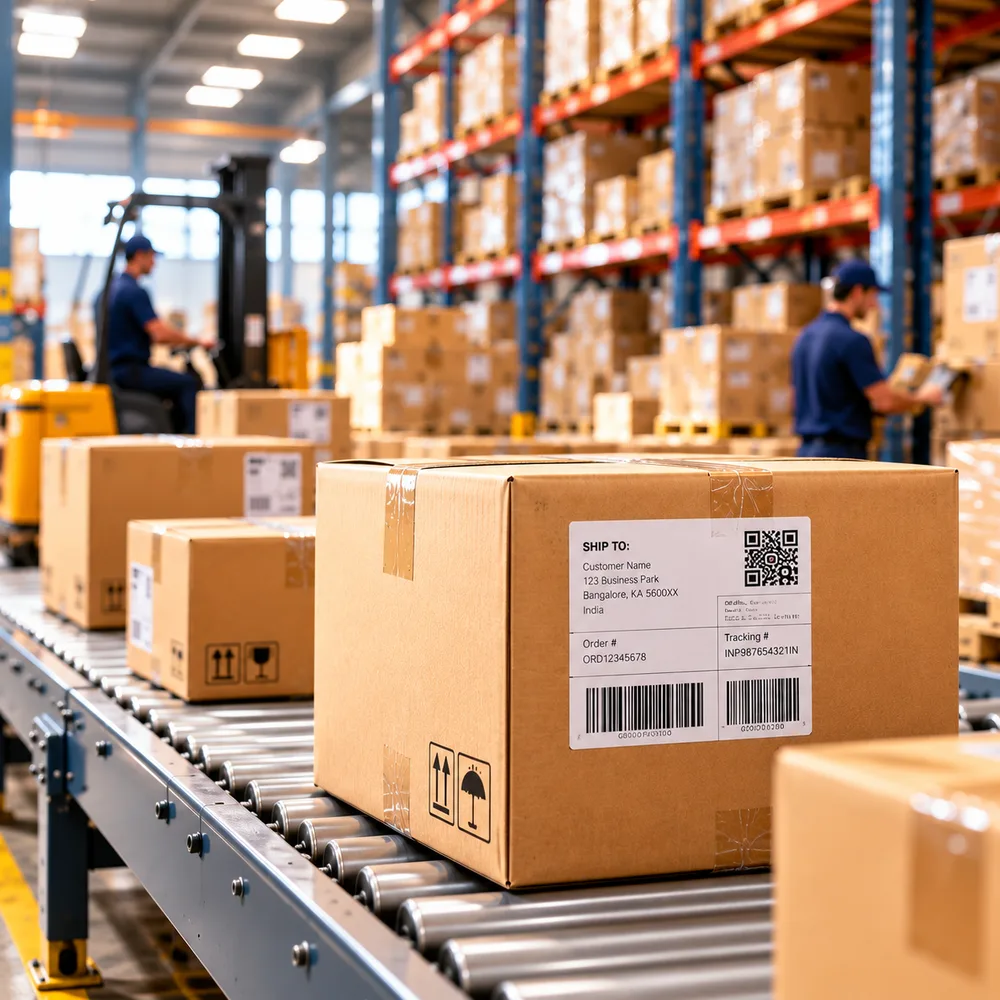
Beyond Tracking—An Enterprise Intelligence Layer
A unified digital control layer that connects transportation, warehousing, inventory, order management, and delivery operations into a coordinated logistics ecosystem.
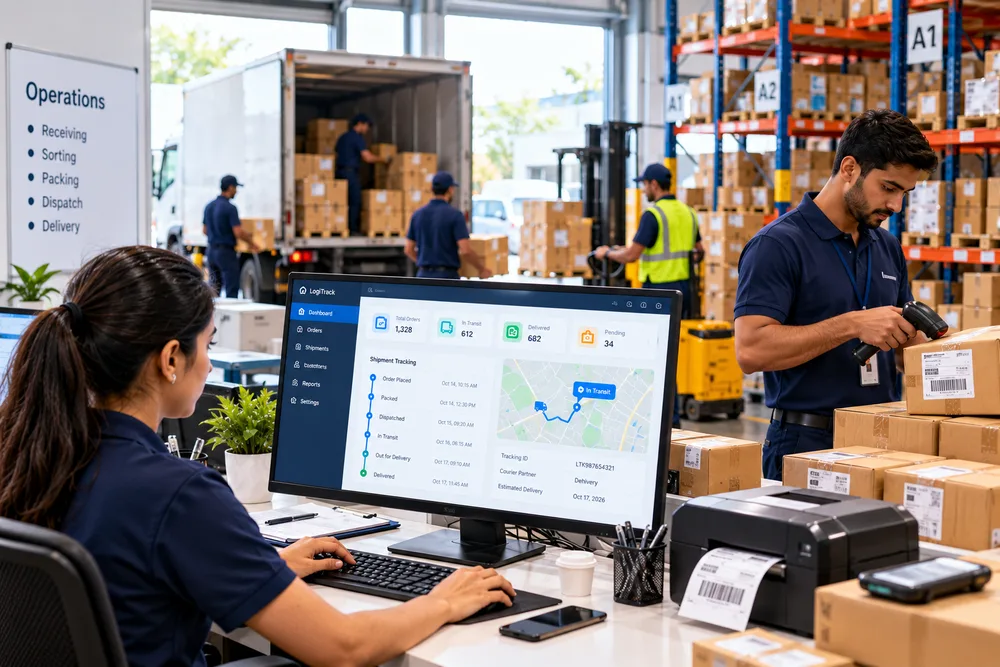
Integrated Data & Operational Logic
Shipment records, fleet information, inventory movements, dispatch workflows, and delivery data converge within a connected operational framework, improving consistency and decision-making across the logistics lifecycle.
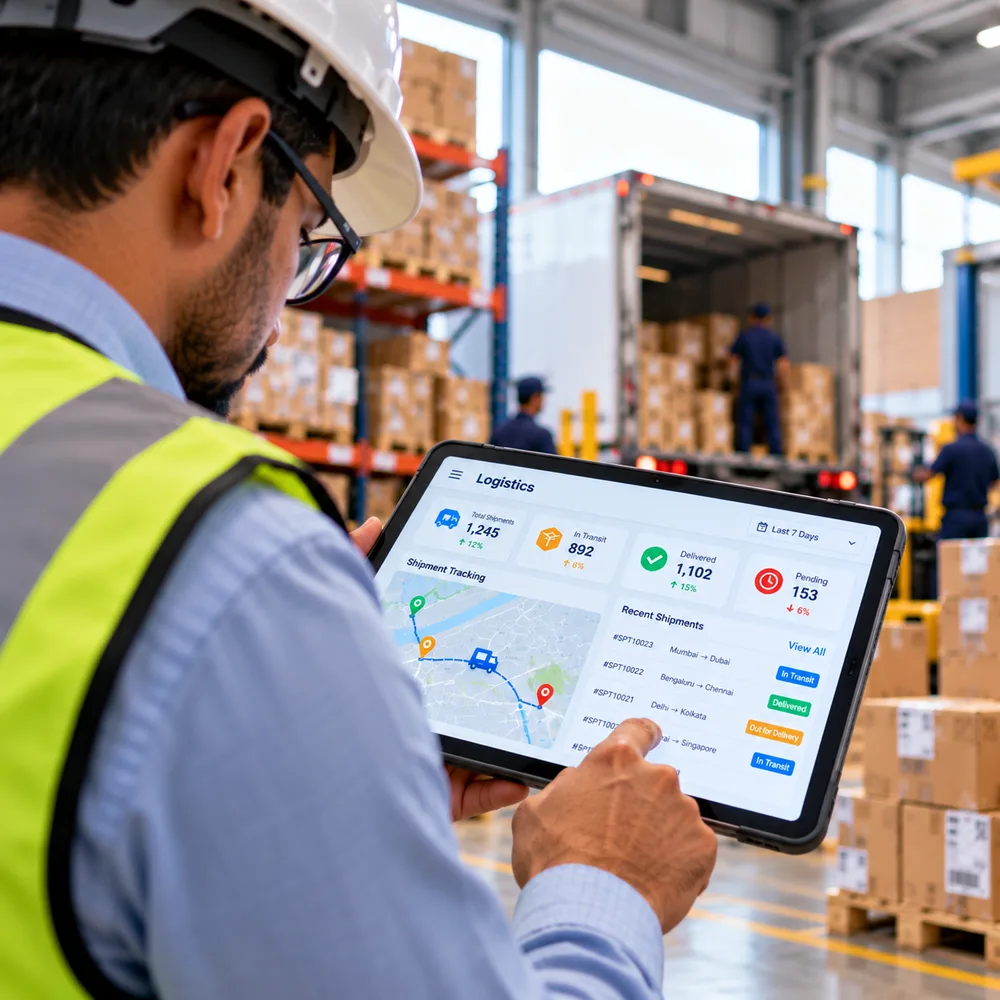
Real-Time Supply Chain Awareness
Connected data, shipment status updates, fleet monitoring, and event-driven alerts—enabling teams to respond more effectively to changing conditions.
Embedded Intelligence, Not Automation Alone
Intelligence integrated into logistics workflows to support route planning, operational prioritization, exception handling, resource allocation, and performance optimization.
Designed for Scale & Integration
Toqse develops adaptable logistics platforms that integrate with existing ERP, WMS, TMS, fleet management, accounting, and customer systems while supporting expansion across locations, fleets, warehouses, and distribution networks.
From Operational Complexity to Connected Intelligence
Toqse transforms fragmented logistics processes into a unified digital foundation—enabling enterprises to improve coordination, strengthen visibility, and build more efficient, responsive, and scalable supply chain operations.